
Authenticity has become the new currency, everyone wants a piece of it.
From global brands to micro-influencers, the creator economy has turned trust into a business model. Nearly 60% of creators say they want to use their platforms for good, shaping how billions think, shop, and act (Unilever & Count Us In, Creator Council Sustainability Study, 2023).
But as creators’ power grows, a quieter, more complicated problem arises: greenwashing has found a new host.
What began as corporate spin painting oil firms, fast fashion brands, and tech giants in eco-friendly hues is now seeping into the influencer world. Some creators knowingly take part; others simply fall into the trap of “performative sustainability,” endorsing products that promise change but deliver little.
The result?
A cycle of confusion, misplaced trust, and audiences who can’t tell whether a hashtagged #Ad is saving the planet or selling the illusion of progress.
Greenwashing isn’t just a brand issue anymore. It’s a creator economy issue that risks eroding the very trust that made digital influence powerful in the first place.
Dig into this article to learn:
- How greenwashing evolved from corporate boardrooms to creator content feeds.
- Why even well-intentioned influencers fear talking about sustainability.
- What brands and creators can do to build transparency, credibility, and real impact.
What greenwashing means
Before we talk about creators, let’s revisit the original culprit.
Greenwashing is the practice of misleading consumers about the environmental impact of a product, service, or brand, often by exaggerating sustainability claims or hiding inconvenient truths.
To help decode the many shades of deception, TerraChoice Environmental Marketing Inc. introduced the “Seven Sins of Greenwashing,” a framework that still applies to everything from corporate ads to creator captions.
According to TerraChoice, the seven sins are:
- #1: Highlighting one sustainable feature while ignoring a bigger impact (think: “biodegradable packaging” for a product made in coal-powered factories).
- #2: Making claims that can’t be verified or supported by evidence.
- #3: Using feel-good but meaningless language like “eco-friendly” or “green.”
- #4: Suggesting third-party endorsement or certification that doesn’t exist.
- #5: Stating something technically true but meaningless, like “CFC-free,” when CFCs are already banned.
- #6: Promoting a “greener” version of a fundamentally harmful product.
- #7: Outright lying about sustainability credentials.
(Source: TerraChoice Environmental Marketing Inc., via Sustainable Campus at Florida State University)
These sins have quietly migrated into the creator economy, where individuals market products, lifestyles, and values directly to audiences. A creator who promotes a “conscious collection” without investigating supply chains, or posts about carbon-positive living while partnering with polluting brands, can unknowingly replicate the same deceptive patterns.
How greenwashing impacts consumers
Greenwashing carries real-world consequences.
For consumers, the effects show up in three key ways:
- When audiences discover false claims, it hurts the brand and damages the credibility of sustainability itself.
- Consumers may spend more on “eco” products that don’t deliver or compromise safety for supposed environmental benefits.
- Each misleading claim diverts attention and investment away from sustainable solutions, slowing collective progress.
In other words: every misleading “green” story delays genuine climate action.
Greenwashing in the creator economy
The rise of the creator economy has reshaped how we learn and shop. People we trust are recommending products, lifestyles, and values.
But as this influence grows, so does a new layer of complexity: greenwashing has gone personal.
Whether intentional or not, many creators become amplifiers of misinformation, turning what began as honest enthusiasm for sustainable living into misleading marketing.
Here are a few of the greenwashing scenarios to watch out for in the creator economy:
1. The deceptive “eco-friendly” endorsement
One of the stealthiest forms of greenwashing in the creator space is when influencers endorse products using vague sustainability language such as “eco-friendly,” “clean,” “natural,” or “green” without any third-party verification or proof of impact.
Followers often trust creators more than brands, so even a hint of environmental positioning can reshape perceptions, regardless of whether the claim holds up.
A high-profile example: H&M’s Conscious or Conscious Collection has long been marketed as its more “sustainable” line, with “green” tags and messaging about “at least 50% more sustainable materials.”
However, an investigation by Changing Markets has found that this line sometimes contains more synthetic fibers than the main collections (72% vs. 61%, in one legal filing) and that many sustainability claims are unsubstantiated or misleading.

In effect, influencers promoting “conscious” labels may lend legitimacy to products whose environmental credentials are vague or overrated.
This is classic greenwashing: using appealing sustainability signals to imply environmental virtue without solid backing.
2. Promoting unsustainable lifestyles under a “sustainable” banner
Greenwashing in the creator realm can also be about contextual framing, implying that a lifestyle is sustainable when the underlying pattern is consumption-heavy or carbon-intensive.
Take the case of Shein’s influencer trip. In 2023, several creators were flown to a Shein “innovation center” in China to see and produce content about its operations. The trip was framed as a peek into ethical production and transparency. However, critics noted that it functioned primarily as PR, glossing over the brand’s notorious footprint in fast fashion and labor concerns.
The curated narrative — factory tours, staged interviews, nice visuals — distracted from the structural issues of overproduction, waste, and resource intensity.
When creators present such experiences uncritically, they subtly greenwash an unsustainable business model, suggesting that selective access equals ethical operating practices.
3. The “lesser of two evils” trap
Sometimes, creators pick a “less bad” product and present it as a hero solution, obscuring that it still belongs to a polluting or resource-intensive category.
A classical non-creator example is Volkswagen’s “Clean Diesel” scandal, where the firm claimed cleaner emissions even while cheating tests. The marketing narrative focused on marginal gains in emissions, diverting attention from the fact that an internal combustion vehicle remains a high-carbon object.
In a creator context, imagine a content creator promoting a so-called “eco-electric” scooter made from aluminum recycled locally, while ignoring the upstream mining impacts or the fact that mobility overall may still favor public transit. Even if the claim is technically better, presenting it as a sustainability win can be misleading if it distracts from more systemic or better alternatives.
4. Lack of transparency or proof
A further issue is that creators often fail to request or publish evidence behind a brand’s sustainability claims, effectively passing the brand’s word to their audience.
Windex’s “100% recycled ocean plastic” marketing campaign is an illustrative non-creator case. The brand’s imagery strongly implied that plastic was being pulled directly from the ocean, but SC Johnson later clarified the bottles used “recovered coastal (ocean-bound) plastic” collected on land near coastlines, not plastic retrieved from the ocean itself.
In the creator economy, the same dynamic happens when creators accept brand claims at face value — “this bottle is made from ocean plastic!” — without requesting evidence, verifying certifications, or explaining lifecycle trade-offs. In doing so, they become conduits for brand messaging rather than critical filters.
5. Promoting fossil fuels in any way
If greenwashing is the art of polishing reputations, creatorwashing is its social-media-age sequel.
In the energy sector, this tactic has become especially visible in the energy sector as oil and gas giants attempt to recast their image as climate-conscious innovators. The strategy is simple: leverage relatable creators to make fossil fuels feel “authentic,” “innovative,” and even “green.”
According to DeSmog’s 2023 investigation documented 100+ influencers worldwide promoting fossil fuel brands since 2017; reporting says campaigns reached billions. Here’s what that looks like in practice:
Shell’s #MaketheFuture campaign
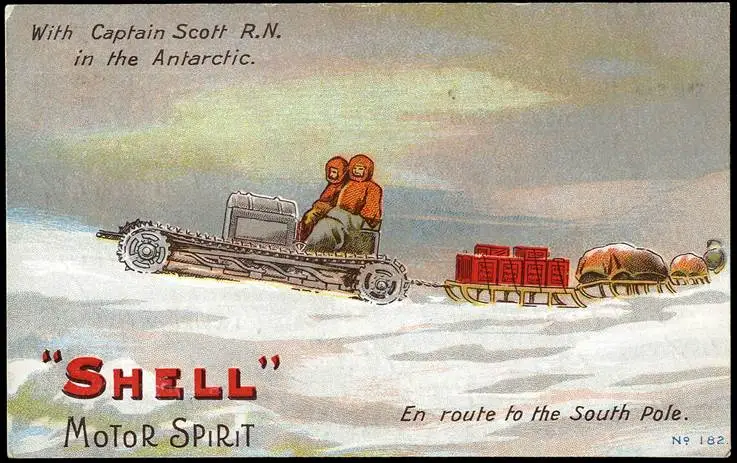
Shell worked with creators such as travel vloggers and lifestyle influencers to highlight “clean energy” projects under the hashtag #MaketheFuture. One high-profile collaboration featured environmentalist Robert Swan and his son Barney on a South Pole expedition sponsored by Shell’s “renewable biofuels.” While presented as climate action, the content blurred the line between showcasing innovation and promoting a fossil fuel company that is still investing heavily in oil extraction.
BP’s “Keep Advancing” influencer series
Leaked internal BP documents from 2020 revealed a marketing push to appear “more relatable, passionate and authentic” online, especially among younger audiences. BP reportedly engaged British content creators to share sponsored posts about “low-carbon solutions” like hydrogen, offsetting, and bioenergy. The goal: “win the trust of the younger generations.”
Yet the company’s core business remains overwhelmingly tied to fossil fuels.
Viewers walk away associating these brands with innovation and progress rather than their continued role in driving the climate crisis.
Navigating the grenwashing landscape
Influence has never been more powerful — or more easily misused. The line between genuine advocacy and deception has blurred, but that doesn’t mean we’re powerless. If we’ve learned anything from the rise of greenwashing, awareness is the first step toward accountability.
- For consumers: Don’t take “eco” at face value. When you see sustainability claims, look for certifications (like GOTS, Fairtrade, or B Corp), check for data or proof, and be skeptical of vague adjectives such as “green,” “clean,” or “natural.” If something sounds too good to be true, it probably is (and a quick search can reveal whether it’s real progress or recycled PR).
- For creators: Your influence shapes perception, so use it with purpose. Research the brand’s track record before saying yes to a partnership and ask for proof of impact or independent verification. Disclose transparently, and if you’re unsure about a claim, say so. Your audience values your honesty more than a perfect sustainability script. Focus on education and help followers understand, not just consume.
Building a more transparent digital landscape is about participation. Creators, consumers and brands all share the responsibility. When we collectively reward clarity over performance, authenticity over aesthetics, and accountability over hype, we move closer to a creator economy — and a planet — built on truth.
Contact us to learn about our How *Not* To Greenwash workshops, designed to help your organisation navigate the fine line between silence and exaggeration with clarity and confidence.